Rosa Frank · 2 September 2026
A newly inaugurated trail through the Andes has begun to draw adventurers and researchers alike, promising to revitalize the economies of several Andean communities in South America. The path, spanning diverse terrains from high plateaus to lush valleys, marks a significant addition to global exploration routes.
Route and Features of the Trail
The trail stretches approximately 200 kilometers, starting near Cusco in Peru and extending towards La Paz in Bolivia. It incorporates ancient Inca pathways with modern safety features including marked signage and emergency shelters. Hikers can expect elevations reaching over 4,000 meters, offering views of snow-capped peaks and opportunities to observe unique wildlife such as condors and vicuñas. Local guides trained in sustainable practices lead tours, emphasizing minimal environmental impact. The development involved collaboration between governments and exploration organizations focused on preserving cultural heritage sites along the route.
Accessibility has been improved with new access roads to trailheads, allowing both experienced trekkers and those seeking shorter day hikes to participate. Weather monitoring stations have been installed to provide real-time updates, enhancing safety for all users.
Economic Advantages for Surrounding Areas
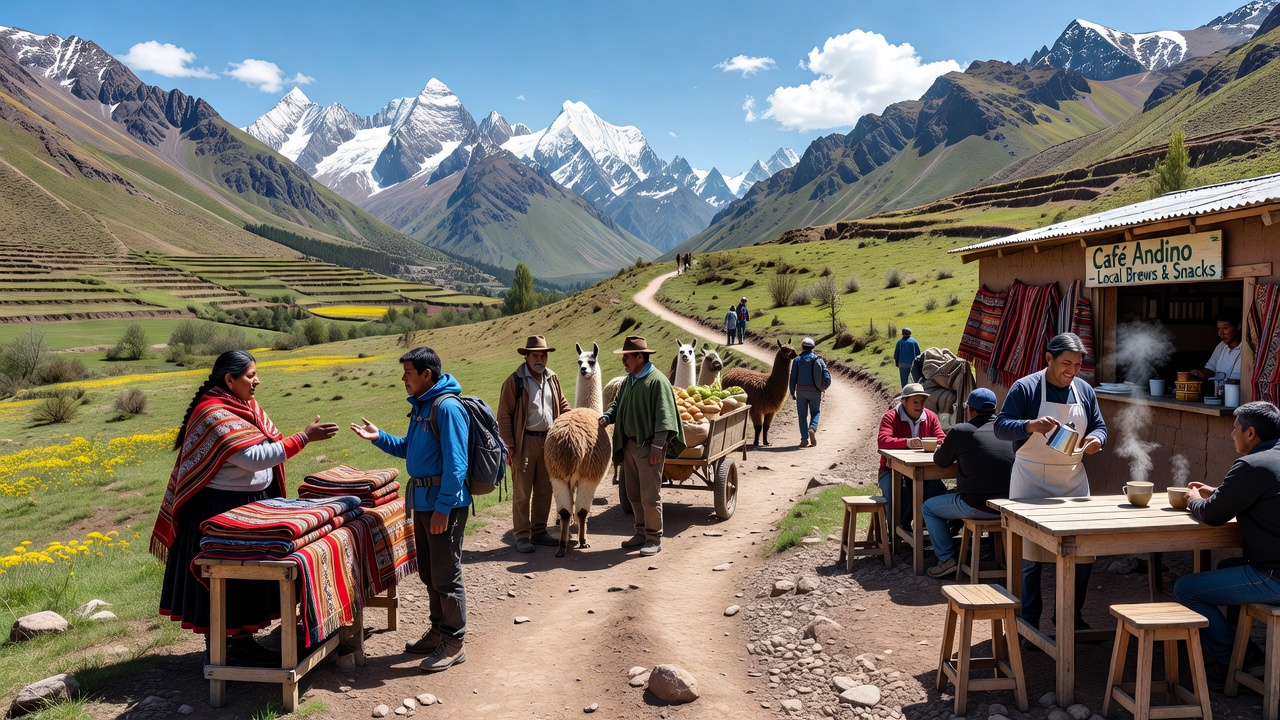
Local economies are experiencing growth through increased tourism revenue. Small businesses in villages like those in the Sacred Valley have reported a 30 percent rise in sales of handmade goods and local produce. Employment opportunities in hospitality and guiding services have expanded, with over 500 new positions created in the first quarter since opening. Hotels and lodges are booking at higher rates, and transportation services are seeing steady demand from visitors arriving from major cities.
Investments in infrastructure, such as improved water systems and communication networks, benefit residents year-round beyond seasonal tourism. Studies project that annual visitor numbers could reach 75,000 within two years, contributing millions in economic activity. This development aligns with broader goals of sustainable exploration that supports community development while protecting natural landscapes.
Community leaders express optimism about long-term prosperity, noting that the trail encourages cultural exchange and education about Andean traditions. Partnerships with international exploration groups ensure ongoing maintenance and promotion of the path as a premier destination for path enthusiasts worldwide.